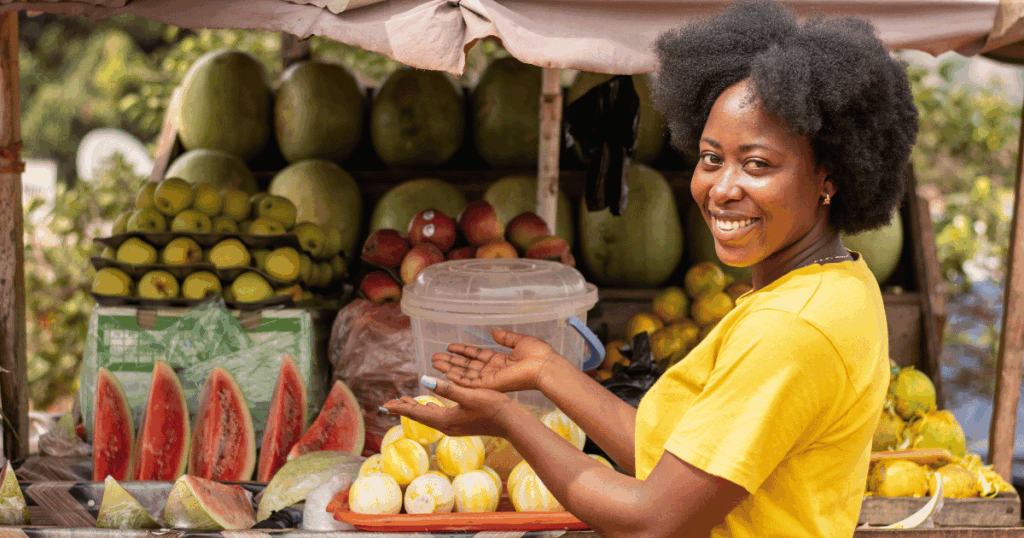
Health & Healing from Heritage™
Let me start with something that might sting a little.
Most of us who are managing diabetes or prediabetes are working very hard. At the clinic, at the dinner table, trying to remember what the doctor said, trying to do right by our bodies. And yet every Saturday morning, we pick up our market bag or push our trolley and quietly undo a week of effort in about forty minutes.
Not because we are careless. Not because we do not care. Because nobody has ever walked through that market with us and explained what is actually happening in our bodies when we reach for certain things.
Nobody has ever said: that bottle of Fanta in the cold section? The science now links it directly to the diabetes epidemic sweeping across Africa right now. That packet of chin chin your children love? It is wearing a familiar face but carrying industrial chemistry inside it that your pancreas has never agreed to deal with.
So today — it is Saturday, the market is open, and I am walking through it with you. And yes, I am going to be that aunty. The one who loves you enough to tell you the truth.
Your market bag this morning will become your blood sugar readings on Tuesday. The decisions you make between one stall and the next are where metabolic health is actually won or lost. Not in the clinic. Not in the prescription. Here. Right now. On a Saturday morning.
The first thing I want you to notice when you walk into that market is where your feet take you. If you are like most of my clients, you go straight for the rice. The carbohydrates. The things that fill the pot and cost the least per kilo. I understand it. I am an African woman. I know what it means to feed a family on a tight budget and make it feel like abundance.
But listen. White rice has a glycaemic index of 72 to 83. When it becomes the foundation of every meal rather than the small, last component of it, it stops functioning like food and starts functioning like a slow glucose flood. A 2024 South African study following over ten thousand adults confirmed it directly: high refined carbohydrate intake is independently associated with diabetes and hypertension, the two conditions sitting at the very top of Africa’s health crisis.
The swap is not dramatic. Ofada rice, parboiled rice, unripe plantain, a small portion of sweet potato. Same satisfaction. A fraction of the metabolic cost. And if you are actively working to reverse Type 2 diabetes, the swallow and the starchy foods go to the smallest, last section of your plate. Not the biggest. Not the foundation. The last thing.
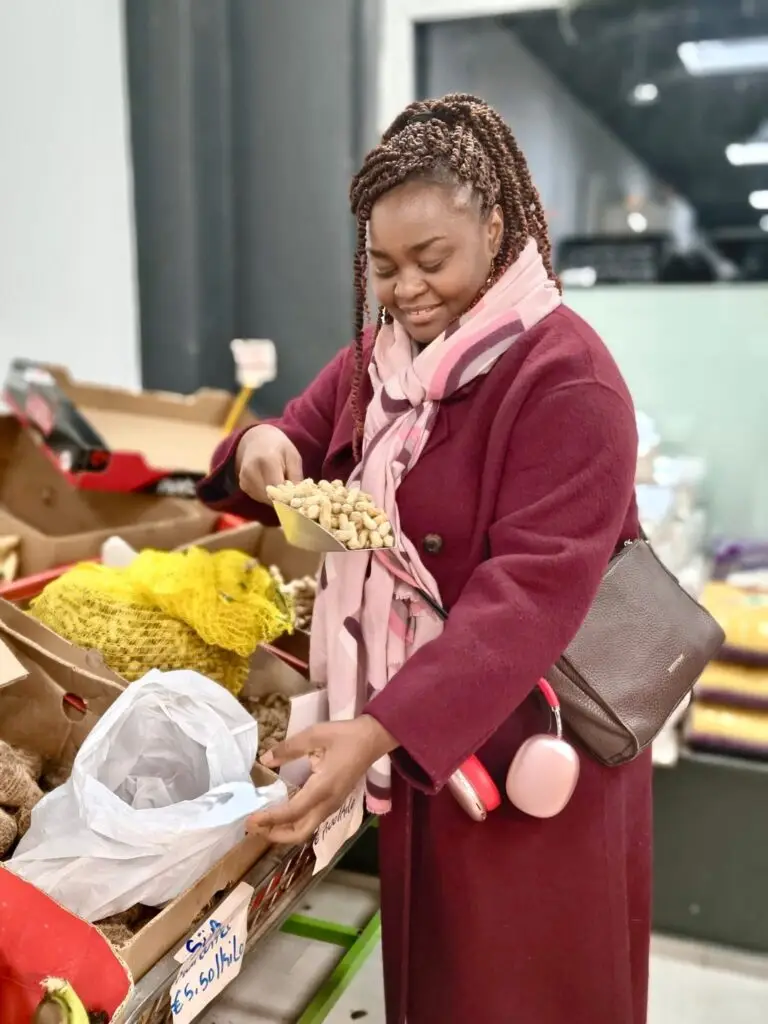
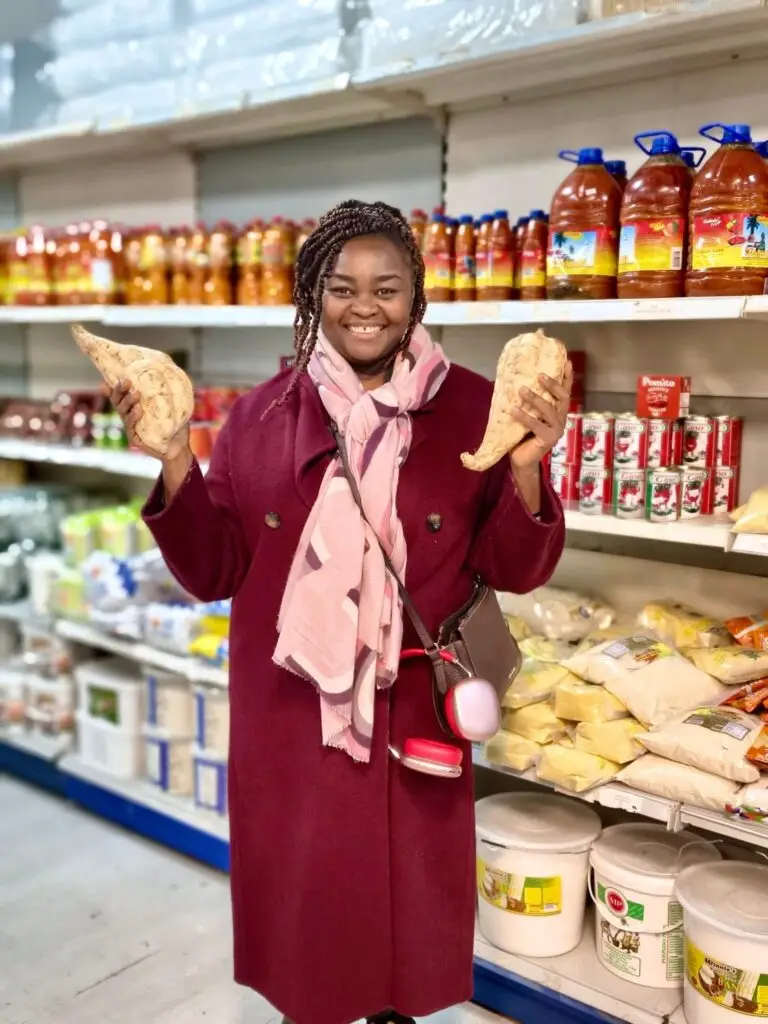
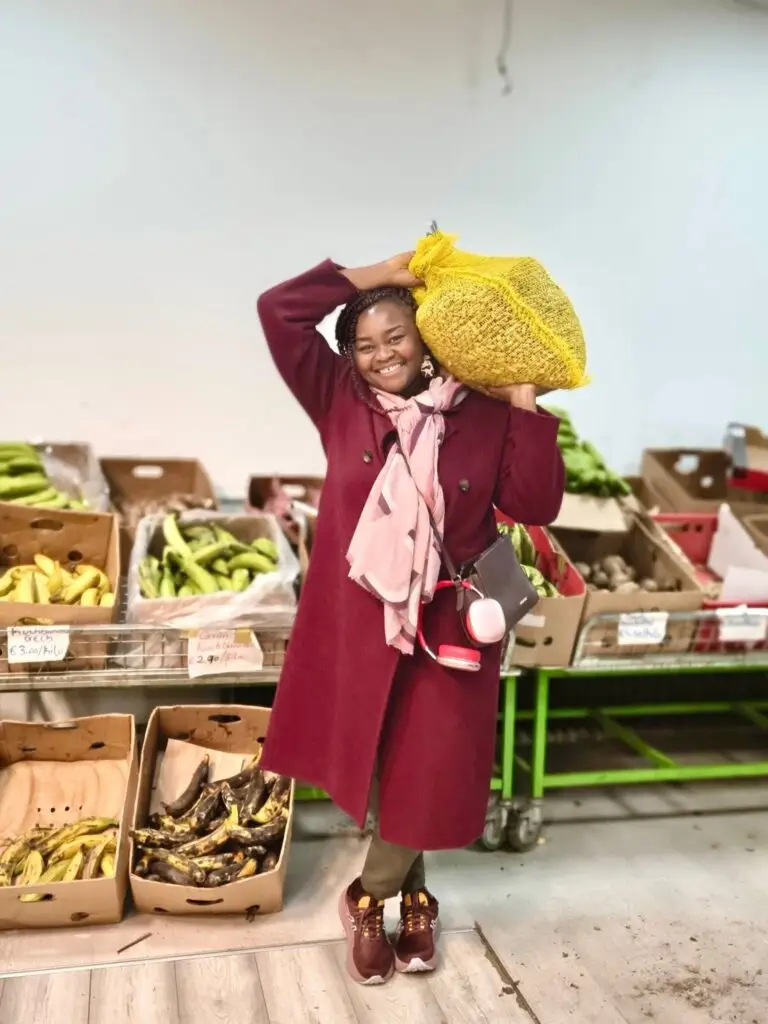
Put the 5kg bag of white rice back. Buy a smaller pack of ofada or parboiled rice instead. Your blood sugar will tell you the difference by Wednesday morning.
A study published in Nature Medicine in 2025, covering 184 countries, found that sugar sweetened beverages were responsible for 2.2 million new Type 2 diabetes cases in a single year globally. The highest burden of those cases? Sub-Saharan Africa. Not Europe. Not North America. Us.
A nine-country African time series analysis tracking data from 2010 through 2024 found that Fanta and Coke sales per person in Nigeria rose by 119% over fourteen years. In Cameroon it was 173%. These are not numbers from somewhere else. These are our cities. Our people. Our families at the naming ceremony saying “take one cold drink, no problem.”
One cold drink is a problem. A 330ml bottle of Fanta contains 35 to 39 grams of sugar. No fibre. No protein. Nothing to slow what is about to happen in your blood. It arrives like a wave. Insulin surges, blood glucose spikes, and the cycle that builds insulin resistance gets one round deeper every time.
And before you say “but the zobo is natural” — the bottled, sweetened version from the shop does exactly the same thing. Your body sees sugar. It does not read packaging. It does not care about the leaf drawn on the label.
Leave those bottles where they are. Buy zobo leaves and brew it yourself without sugar. Buy fresh ginger. That is your drink section sorted and your money better spent.
Packaged chin chin. Plantain chips from the supermarket shelf. Shortbread biscuits in the yellow tin that your mother kept at Christmas. Cream crackers. Biscoff.
I know these feel safe. Familiar. Some of them have been in your house your whole life. But the NOVA food classification, which is how researchers now categorise foods by degree of processing, measures the presence of additives, emulsifiers, refined starches and industrial sugars that progressively disrupt the gut microbiome, trigger chronic inflammation, and degrade insulin sensitivity. These are the exact mechanisms that quietly build towards diabetes over years. Wearing a familiar brand name does not change what is inside the packet.
A 2025 meta-analysis of 692,508 people across 14 prospective cohort studies found that the highest ultra-processed food intake raised Type 2 diabetes risk by 24%. Every 10% increase in ultra-processed food consumption increased diabetes risk by 13%.
The market already has better options sitting right there.
These are cheaper. They are already there. And none of them are running a campaign against your pancreas.
One small bunch of ugu. One handful of bitter leaf. Enough for the soup, not enough for your health.
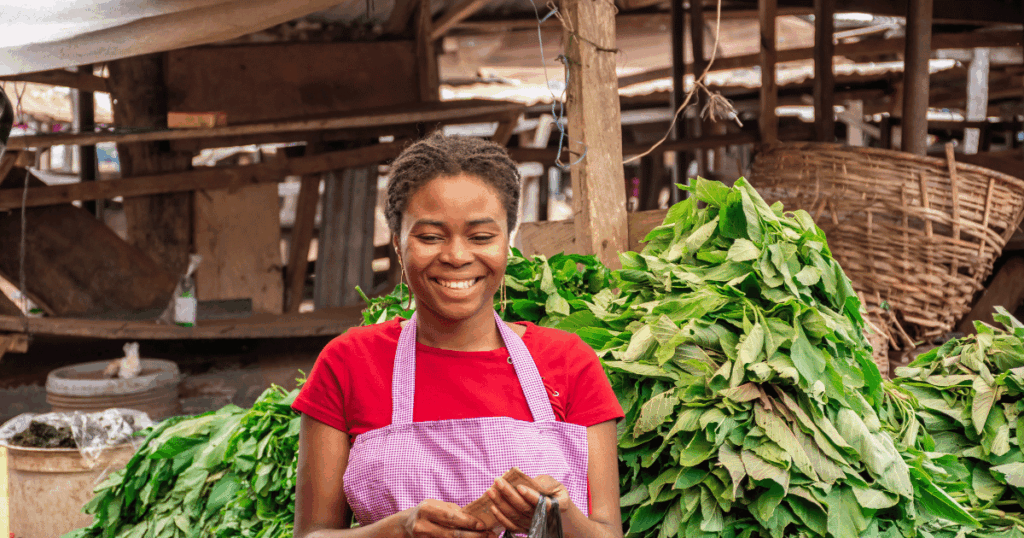
I see this every week in my clients’ food pictures and it breaks my heart a little. Vegetables are not background decoration for the soup. In the MAP Method — My African Plate, which is the eating framework at the heart of everything I do at NAW — vegetables go first on the plate and first into the body. Always. The fibre in bitter leaf, ugu, okra, moringa, and water leaf slows glucose absorption, feeds the gut bacteria that are already being depleted in African bodies living with insulin resistance, and creates the metabolic conditions where everything else you eat does significantly less damage.
But this only works if you buy enough of them to actually go first, generously, at every single meal this week. One small bunch is not enough for seven days of eating first. Buy more than you think you need. Fill that section of your market bag before anything else goes in.
Here is what your vegetable section should look like this Saturday.
That is what ancestral eating actually looks like. Your grandmother’s pot was almost more vegetable than anything else. The swallow was the small thing at the side. We reversed it somewhere along the way and called it abundance. It was not abundance. It was the beginning of the problem.
One sachet of stockfish for a pot that feeds six people is not protein. That is seasoning. And I am not saying this to shame anyone’s budget. I am saying it because the science is very clear on this and your health depends on understanding it.
Research from Weill Cornell, across multiple randomised clinical trials, showed that eating protein before carbohydrate reduces postprandial blood glucose peaks by over 40%. That is not a small finding. That is the difference between a blood sugar reading of 9.2 and a reading of 5.8 two hours after the same meal. But this only happens when there is enough protein to eat first. Genuinely first. In a real portion.
So when you are at the fish stall today, buy with the mindset of building a meal, not garnishing one. Whole mackerel. Tilapia. Catfish. A full bag of dried crayfish. A dozen eggs. A big bag of beans or lentils for the days you are not cooking fish. Fermented locust beans — iru or dawadawa — which are protein and probiotic at once. Stockfish in a real portion, not a corner-shop sachet.
Your protein should take up as much space in your market bag as your vegetables. If it does not, go back to the stall.
This one sounds basic. But there is serious research behind it and I want you to take it seriously.
When blood glucose is low or unstable, the brain’s decision-making centre is genuinely compromised. Studies show that people who shop hungry purchase significantly more high-calorie, high-carbohydrate foods. Not because they have no willpower. Because the body in a low-glucose state is neurologically wired to seek immediate energy and it will override every good intention you had when you left the house.
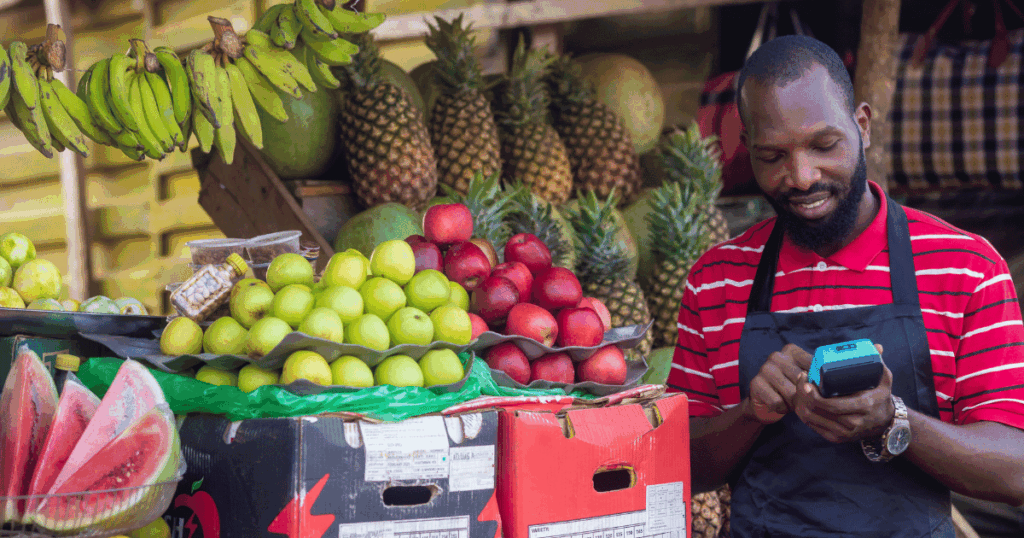
For someone with insulin resistance, this loop is tighter and faster than most. You came with a plan. You come home with biscuits and a bottle of Malt and no clear memory of how it happened. It is not a character failure. It is chemistry. Eat something real before you go. Protein and vegetables. Even if it is just two boiled eggs and a few slices of cucumber.
Your grandmother knew every vendor by name. She knew which moringa leaves were potent, which fish was fresh, which tomatoes were ripe enough to throw straight into the pot. She did not need a label because she had inherited knowledge. That knowledge kept her community metabolically healthy for generations. Somewhere in the rush of urbanisation, we outsourced it. Today, on a Saturday morning, you can start taking it back.
What a NAW™ Market Bag Should Contain
Bitter leaf, water leaf, or ugu — a large bundle
Fresh okra — a full bag
Moringa leaves or powder
Tomatoes, peppers, onions
Garden eggs and cucumber for eating raw before meals
Kontomire or whatever leafy green is local to you
Whole fresh fish — mackerel, tilapia, catfish
Eggs — at least a dozen
Dried crayfish — a full bag, not a sachet
Beans or lentils — for the days without fish
Stockfish — a proper portion
Iru or dawadawa — fermented locust beans
Unripe green plantain
Sweet potato
Ofada or parboiled rice — smaller pack than usual
Plain unflavoured oats
Zobo leaves to brew unsweetened at home
Fresh ginger root
Raw unsalted groundnuts
Small bottle of red palm oil — one teaspoon at a time
Egusi — whole seeds
Fresh garlic and turmeric root
If it is in a packet with more than five ingredients and names you cannot pronounce, put it back.
Fill your market bag this way every week and watch how easy it becomes to eat African food and still reverse type 2 diabetes.
Now if you missed it, I launched nawwellness.com this week because I believe Africans deserve a health resource that was actually built for them. Not Western advice with our names added on. Not fear-based warnings that shame our food culture. Evidence-based, ancestrally rooted, practically useful guidance — for the woman in Lagos with her market bag, for the man in Hamburg with his trolley at the African shop on a Saturday, for the family in Accra who just wants to know what to cook without their blood sugar going haywire.
The market was always the heartbeat of African food culture. We can get it back. It starts with this Saturday’s market bag.
Chop Better. Make Body Deh Answer.
This content is for education only and does not replace personalised medical advice. Always work with your healthcare provider when managing or reversing diabetes.